717.755.5911
 East York, PA


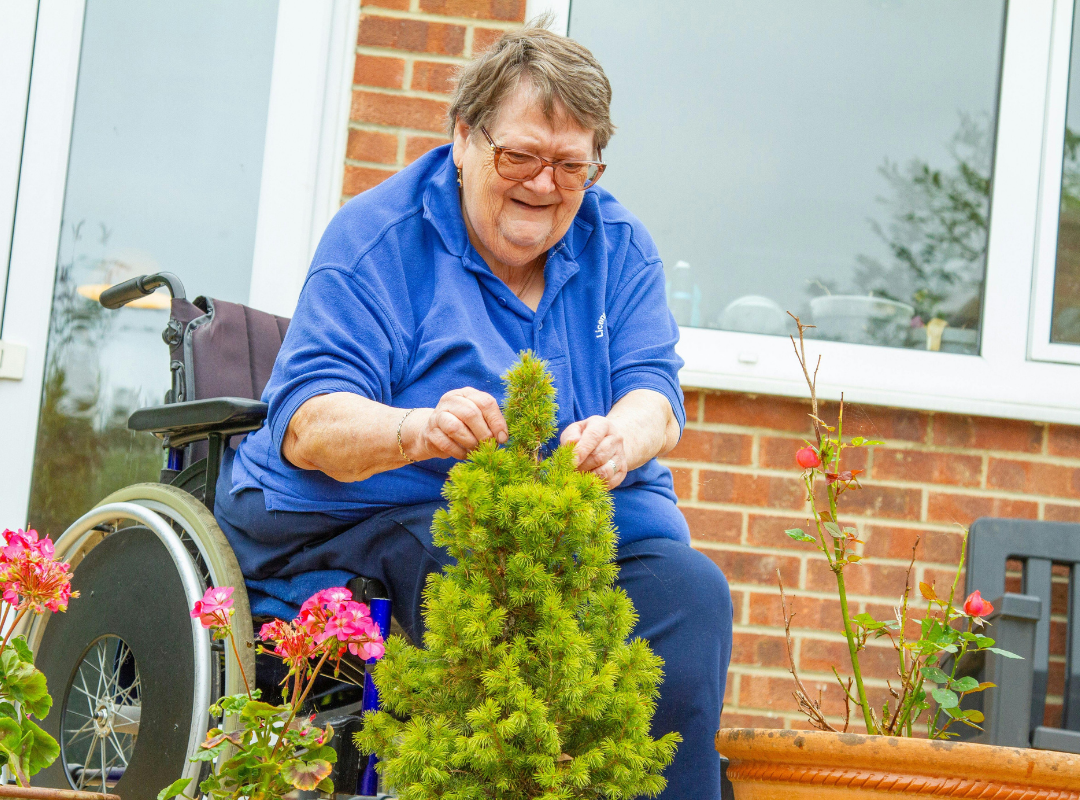
Choosing independent living in York, PA, involves more than finding an attractive apartment. Older adults and families also need to compare meals, services, activities, transportation, monthly costs, community atmosphere, and the support that may be available if needs change.
Independent living is designed for older adults who can manage their daily routines with a high level of independence but want fewer household responsibilities and more convenient access to meals, activities, transportation, or social opportunities. Offerings vary considerably, so the community label alone does not tell you what daily life or the full monthly cost will include.
Key Takeaway: Compare the daily lifestyle and complete monthly cost—not only the apartment, advertised rate, or community label.
What Should You Compare When Choosing Independent Living Apartments in York, PA?
Begin by identifying what the older adult wants daily life to look like. A person who values quiet, privacy, and familiar routines may compare communities differently from someone seeking a full calendar of activities and frequent opportunities to socialize.
The following areas can help you make a consistent comparison:
| Comparison area | What to ask | Why it matters |
| Residence | Which apartment styles or floor plans are available? | The residence should support the person’s preferences, belongings, privacy, and ordinary routine. |
| Meals | Which meals and snacks are included? | Dining options affect convenience, daily planning, and the overall monthly value. |
| Activities | Which programs match the resident’s actual interests? | A long calendar is less useful when few activities appeal to the individual. |
| Services | Are housekeeping, laundry, maintenance, or transportation included? | Service inclusions can reduce responsibilities and affect the full cost. |
| Monthly costs | What does the base rate cover, and which charges are additional? | A detailed breakdown makes communities easier to compare accurately. |
| Future support | Are other levels of care available if needs change? | This may matter to families thinking beyond the immediate move. |
| Location | Is the community convenient for relatives, appointments, shopping, and familiar places? | A practical location may make routines and family visits easier to maintain. |
| Atmosphere | Does the setting feel compatible with the resident’s preferred pace and level of social interaction? | Personal comfort cannot be judged from a feature list alone. |
The apartment remains important, but it is only one part of the decision. An appealing residence may not be the right fit when the meal plan, activity schedule, transportation options, or monthly charges do not support the older adult’s priorities.
How Is Independent Living Different From a 55-and-Over Community?
Independent living and 55-and-over housing may overlap, but the terms do not describe exactly the same thing.
A 55-and-over community generally refers to housing that follows age-based occupancy policies. Under federal rules, a community seeking the 55-or-older housing exemption must meet specific occupancy, policy, and age-verification requirements.
Independent living generally refers to a senior living arrangement centered on autonomy, reduced household responsibilities, and access to selected services or amenities. Depending on the community, these might include meals, activities, housekeeping, transportation, or shared social spaces.
Some properties may qualify as 55-and-over housing while also offering an independent living lifestyle. Others may provide age-restricted apartments without meals, transportation, organized activities, or additional care levels.
When comparing independent living with 55 and over communities in York, PA, ask what the residence actually includes rather than relying on the category name. Important differences may include:
- Meal plans
- Housekeeping and laundry
- Maintenance responsibilities
- Transportation
- Activities and shared spaces
- Staffing and available assistance
- Additional care levels
- Move-in and community fees
Age and occupancy policies also vary. Confirm the requirements directly with each property instead of assuming that every independent living community follows the same minimum age.
Which Monthly Costs Should Families Ask About?
The advertised monthly rate is only the beginning of a useful cost comparison. Ask each community for a clear explanation of what the rate includes and which services or charges are separate.
Questions to ask include:
- What is the base monthly rate for the selected apartment?
- Are meals and snacks included?
- Are utilities, Wi-Fi, or television included?
- Are housekeeping and laundry services included?
- Is scheduled transportation included or billed separately?
- Are activities and outings included?
- Do certain services carry additional charges?
- Is there a move-in, entrance, or community fee?
- Is the fee refundable or non-refundable?
- Are deposits required?
- How and when can monthly rates change?
- What happens to pricing if the resident later needs another level of care?
Independent Living at Autumn House East starts at $4,000 per month. A one-time, non-refundable community fee equal to one month’s rent also applies. Because starting prices may not represent every residence or individual situation, families should confirm the current rate and complete list of inclusions before making a decision.
A useful comparison should also account for current household spending. Housing, groceries, utilities, home maintenance, transportation, entertainment, and other recurring expenses may currently appear as separate bills.
The cost comparison tool can help families organize those expenses before comparing them with community living. Readers who need a deeper financial discussion can also review Smart Ways to Plan Independent Living Costs in York, PA.
What Questions Can Reveal Lifestyle and Future Fit?
A community may have many appealing features and still be a poor personal fit. The more useful question is whether its routines, services, and atmosphere support the way the older adult wants to live.

What would an ordinary day look like?
Ask the older adult to describe an ideal weekday rather than focusing only on special events. Consider preferred wake-up times, meals, hobbies, appointments, time alone, exercise, religious activities, and social contact.
A community should make valued routines easier to maintain rather than requiring the person to adopt a lifestyle that does not feel natural.
Which activities would the resident actually use?
An extensive activity calendar can sound impressive, but relevance matters more than quantity. Review the current schedule and identify programs the person would realistically attend.
Autumn House East offers approved activities such as:
- Art classes
- Fitness classes
- Game nights
- Movie nights
- Religious services
- Trips to museums, restaurants, and other local destinations
- Time in activity rooms and shared social areas
These options may appeal to someone who enjoys organized activities and opportunities to spend time with others. A person who prefers more privacy should also ask whether participation is optional and whether the setting supports independent routines.
The lifestyle assessment can help older adults and families identify which daily-life features deserve the most attention.
How important are meals and daily conveniences?
Meals can affect nutrition, social routines, convenience, and the amount of shopping and cooking a person needs to manage. Ask how meals are served, what choices are available, how dietary questions are handled, and whether guests can dine with residents.
Autumn House East provides nutritious breakfast, lunch, and dinner for residents, with snacks also available.
Families should still confirm which dining arrangements apply to the selected residence and monthly plan.
Is transportation an important part of the decision?
Older adults who no longer drive—or who prefer to drive less—should ask how transportation works. Important details may include destinations, advance notice, scheduling, availability, and whether transportation carries an additional fee.
Location also matters. Consider the community’s proximity to relatives, healthcare appointments, shopping, restaurants, religious communities, and familiar York-area destinations.
How much social interaction feels comfortable?
Independent living can make social opportunities more accessible, but not every resident wants the same level of participation. Some people enjoy frequent group activities, while others prefer occasional events and more time in their own residence.
During a visit, look for a balance between privacy and connection that fits the individual.
Could future support needs affect the choice?
Independent living is not intended to replace hands-on personal care or memory support. A person who currently needs regular assistance with medication, dressing, bathing, mobility, or other daily tasks may need a different level of care.
Autumn House East offers Independent Living, Personal Care, and Memory Care. Families can compare the available levels of care to understand their different purposes.
The availability of multiple care levels should not be interpreted as a promise that every transition will happen automatically. Ask about assessments, eligibility, availability, pricing, and the process that applies when a resident’s needs change.
What Can You Learn During a Community Visit?
Photographs, descriptions, and amenity lists provide useful background, but an in-person visit can reveal how the community feels during an ordinary day.
Bring the same core questions to every community so your comparison remains consistent.
During the visit:
- See the available residence types. Consider space, storage, privacy, lighting, and whether important belongings will fit.
- Walk through shared areas. Notice whether they feel comfortable and whether the resident would be likely to use them.
- Review a current activity calendar. Look for programs that match genuine interests rather than counting the total number offered.
- Ask about meals. Review the schedule, menu choices, dining arrangement, snacks, guest options, and what is included.
- Discuss transportation. Confirm where transportation goes, how it is scheduled, and whether fees apply.
- Request a written cost breakdown. Compare monthly charges, included services, optional expenses, and one-time fees.
- Ask about an ordinary day. Special events may not represent the resident’s typical experience.
- Discuss future needs carefully. Learn what other care levels are offered and which assessments or requirements apply.
- Observe the atmosphere. Consider noise level, pace, staff interactions, privacy, and how comfortable the older adult feels.
- Allow time for reflection. A person may need time after the visit to identify what felt right or raised concerns.
You can review floor plans and pricing before a visit, so you arrive with more specific questions.
How Can Seniors Prepare for a Move to Independent Living in York?
Moving preparation becomes more manageable when families divide it into practical stages. The goal is not simply to reduce belongings. It is to create a residence and routine that still feel familiar and personal.
1. Confirm the residence details
Before deciding what to bring, verify the floor plan, measurements, storage areas, included furnishings, appliance information, move-in requirements, and community guidelines.
Create a basic layout showing where the most important furniture will go.
2. Choose belongings for the new routine
Begin with items the older adult uses regularly or values deeply. These may include favorite furniture, photographs, artwork, clothing, hobby materials, religious items, books, electronics, and kitchen items permitted in the residence.
Avoid making every downsizing decision at once. Family members can separate belongings into categories such as:
- Moving now
- Giving to family or friends
- Donating
- Selling
- Storing temporarily
- Deciding later
3. Organize essential information
Keep identification, financial records, insurance information, medical contacts, medication lists, legal documents, and emergency contacts together in a secure and accessible place.
Share information only with the appropriate people. A community can explain which records are required for move-in.
4. Arrange moving-day support
Decide who will coordinate movers, transportation, keys, paperwork, furniture placement, and unpacking. The older adult should not have to manage every task during an already demanding day.
Pack a separate bag with medications, clothing, toiletries, chargers, documents, snacks, and other immediate necessities.
5. Preserve familiar routines
Identify which routines matter most and plan how they will continue. This could include a morning newspaper, favorite television program, regular phone call, weekly religious service, exercise habit, or family meal.
Familiar routines can help make the new residence feel personal from the beginning.
6. Learn the first week’s schedule
Review meal times, transportation procedures, activities, important contacts, and the locations of shared spaces. Choose one or two appealing activities rather than trying to participate in everything immediately.
7. Allow adjustment to happen gradually
A move can bring relief, excitement, uncertainty, and sadness at the same time. Family members can offer steady support without expecting the older adult to feel settled immediately.
Regular visits or calls during the first weeks may help, but the resident should also have time to develop an independent routine.
Independent Living at Autumn House East
Autumn House East is located at 2618 E Market St in East York, Pennsylvania. The community offers Independent Living as well as Personal Care and Memory Care.
Independent living residents can participate in art and fitness classes, game and movie nights, religious services, social activities, and trips to local museums and restaurants. Breakfast, lunch, dinner, and snacks are available for residents.
Independent Living starts at $4,000 per month, with a one-time, non-refundable community fee equal to one month’s rent. Confirm current pricing, residence availability, and the services included in a specific plan directly with the community.
Families can begin by reviewing floor plans and pricing. After identifying the most important questions, schedule a visit to Autumn House East or call 717-755-5911 to discuss the available options.
Frequently Asked Questions
What should older adults consider when choosing independent living apartments in York, PA?
Older adults should compare the residence, meals, services, amenities, transportation, monthly costs, location, and community atmosphere. They should also consider whether the activities match their interests and whether other care levels are available. Every community packages its services differently. A written list of priorities can make side-by-side comparisons easier.
How are independent living communities different from 55-and-over communities in York, PA?
Independent living usually describes a senior lifestyle that may include meals, activities, transportation, or other conveniences. A 55-and-over community generally describes housing with age-based occupancy policies. Some properties may fit both descriptions, but the labels do not guarantee the same services. Confirm the eligibility rules and actual inclusions with each community.
Which monthly costs should families ask about before selecting an independent living community?
Families should ask about the base residence rate, meals, utilities, housekeeping, laundry, transportation, and activity costs. They should also ask about deposits, community fees, move-in charges, and optional services. Request a written explanation of what is included. This makes the full monthly cost easier to compare.
What questions can help determine whether a community fits an older adult’s lifestyle and plans?
Ask what an ordinary day looks like, which activities are available, and how much privacy residents have. Discuss meals, transportation, residence options, and the services included in the monthly plan. Families may also ask which additional care levels are offered and what happens if needs change. The answers should be considered alongside the older adult’s own preferences.
How can seniors prepare for a move to independent living in York, Pennsylvania?
Seniors can begin by confirming the residence measurements and move-in requirements. They can then choose belongings that support familiar routines and organize essential records, medications, and contacts. Family members should assign responsibilities for moving day and the first weeks afterward. A gradual adjustment period can make the transition feel more manageable.
After visiting many facilities around the area, we felt most comfortable entrusting mom to Autumn House East. We are very thankful to all the wonderful employees for their pleasant attitudes and encouraging personalities!
Jeanne Frick