717.755.5911
 East York, PA



Senior wellness is a whole-person approach that supports physical health, emotional well-being, mental engagement, personal safety, and social connection. It grows through realistic daily habits, movement that matches your abilities, nourishing food, meaningful activities, and access to the right support. Each part works together to help daily life feel more manageable and fulfilling.
Your wellness needs may change with your interests, abilities, health advice, or living situation. Whether you are improving life at home or exploring a community such as Autumn House East in East York, understanding these connected areas can help you decide what kind of schedule and environment will serve you well.
What Senior Wellness Means in Everyday Life
Senior wellness includes more than exercise or medical appointments. It looks at how your health, safety, daily engagement, and relationships shape your overall experience. A strong routine makes room for your needs while still allowing choice, enjoyment, and a sense of purpose.
The four connected parts of senior wellness are:
- Health: Meals, movement, rest, and appropriate professional guidance
- Safety: A living environment and level of assistance suited to your needs
- Engagement: Hobbies, games, learning, creativity, and other meaningful interests
- Connection: Regular opportunities to talk, participate, and spend time with others
These areas often overlap. An art class can encourage creativity and conversation. A fitness class may provide movement and social time. A shared meal can support regular eating habits while giving you time with other people. This whole-person view brings greater clarity to health and wellness for the elderly.
A Practical Daily Wellness Routine for a 70-Year-Old at Home
A practical day at home can include regular meals, movement that matches your abilities, mental or creative activity, contact with another person, time to rest, and attention to personal safety. The exact schedule should reflect your interests, energy, abilities, and advice from your healthcare professional.
Start With a Routine You Can Maintain
A simple schedule that works for your daily life is usually more useful than a demanding plan that is difficult to follow. You might begin the morning with breakfast and light movement, plan an enjoyable activity or social contact in the afternoon, and leave time for a meal and rest in the evening.
Include Movement, Purpose, and Connection
The Centers for Disease Control and Prevention recommends that adults age 65 and older aim for at least 150 minutes of moderate-intensity activity each week, along with muscle-strengthening activities on two days and activities that improve balance. These goals can be divided into smaller periods, and activities should match your abilities and health needs.
Purpose and connection also belong in the day. Reading, making something, playing a game, calling a family member, or spending time with a friend can add interest and structure. The National Institute on Aging explains that social isolation and loneliness are associated with greater risks for concerns such as heart disease, depression, and cognitive decline.
Adjust the Routine to Current Support Needs
Notice which parts of your day feel easy and which take more effort. Meals, transportation, housekeeping, activities, or personal assistance may become harder to coordinate over time. This does not automatically mean you need to move, but recurring challenges may be worth discussing with your family.
A Lifestyle Assessment can help you consider whether your current schedule reflects the lifestyle, activity level, and connection you want. You can also explore more senior living resources as you think about how daily choices and community life may work together.
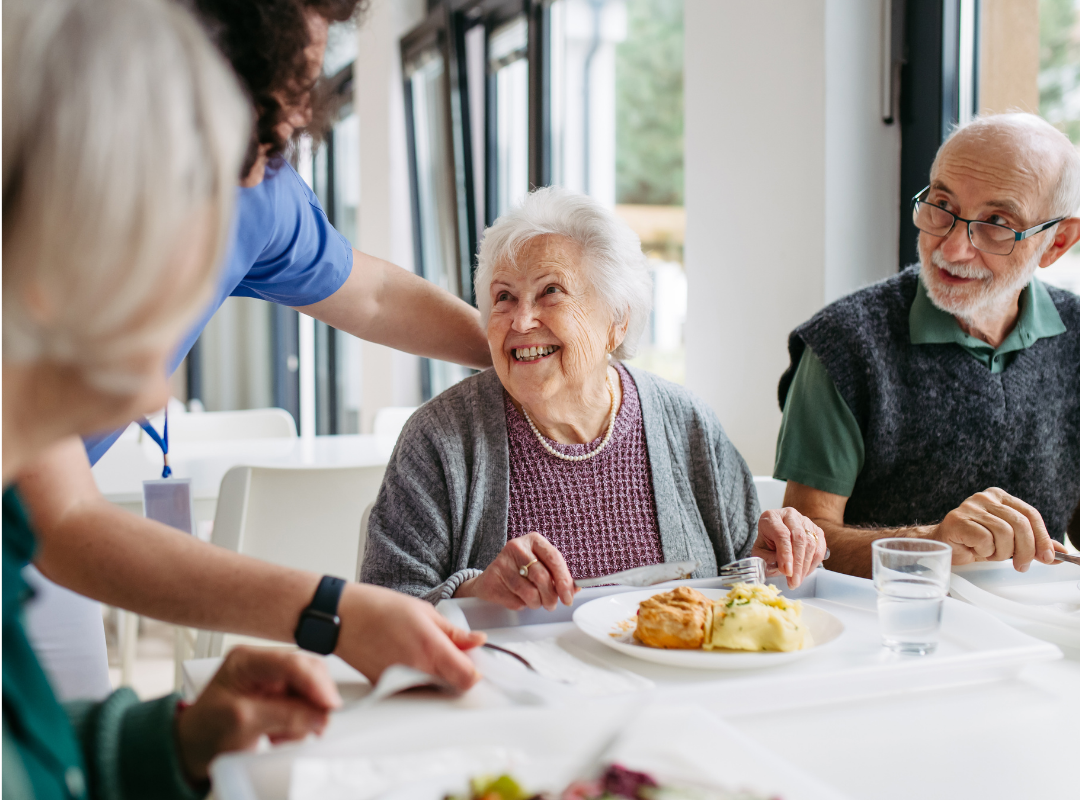
How Food and Mealtime Routines Support Senior Wellness
Food supports wellness by providing nourishment, structure, and enjoyment throughout the day. A realistic mealtime plan considers what you eat, how regularly meals are available, whether preparation feels manageable, and whether you need assistance.
The National Institute on Aging’s healthy meal-planning guidance includes a varied eating pattern with vegetables, fruits, whole grains, dairy, seafood, lean meats, poultry, eggs, beans, peas, lentils, nuts, and seeds. Your personal needs may differ, so dietary questions should be discussed with a healthcare professional or registered dietitian.
What Five Foods Should Seniors Eat?
Five practical examples are spinach, berries, oatmeal, salmon, and plain yogurt. Together, they represent vegetables, fruits, whole grains, protein foods, and dairy. These are examples, not a universal meal plan, and other foods from the same groups may suit you just as well.
Your choices should reflect allergies, swallowing concerns, medical advice, personal preferences, and dietary restrictions. Foods that you enjoy and can eat consistently are more useful than a rigid plan that does not fit your needs.
What Is the Best Yogurt for Seniors?
The best yogurt is one that fits your nutritional needs, dietary restrictions, preferences, and advice from your doctor or registered dietitian. You might compare serving size, protein, calcium, added sugar, and whether a low-fat or fat-free option is suitable for you.
No single brand or variety is best for every senior. Personal guidance can be especially useful if you have food sensitivities, specific nutrition goals, or a health condition that affects your diet.
Why the Mealtime Experience Also Matters
Regular access to meals can make everyday wellness easier to maintain. Some people enjoy eating independently, while others value assistance or the chance to share mealtimes with other people.
At Autumn House East, independent living residents receive nutritious meals for breakfast, lunch, and dinner for all our residents and snacks are available. Personal care also includes homemade meals and meal assistance.
Recreation That Supports Movement, Creativity, and Connection
Recreation activities for seniors can support different parts of daily wellness. Some encourage movement, while others offer creative expression, mental engagement, personal meaning, or time with other people. The right activity suits your interests, abilities, energy, and preferred level of participation.
| Activity purpose | What to consider | Examples at Autumn House East |
| Movement | Accessibility, pace, and personal ability | Fitness classes |
| Creativity | Opportunities to make, learn, and express ideas | Art classes |
| Social connection | Shared experiences and group participation | Game nights, movie nights, activity rooms, and social areas |
| Personal meaning | Activities connected with values and established routines | Religious services |
| Community engagement | Opportunities to visit places beyond the residence | Trips to museums and local restaurants |
A useful activity schedule provides variety without making participation feel required. Some days you may enjoy a group event. On others, a quiet or creative activity may feel more appealing. You can explore the amenities at Autumn House East to learn how recreation and shared spaces can fit into community life.
Is a Senior Wellness Program for Real?
Yes, senior wellness programs are real, but their content, schedule, and approach can vary. A useful program should explain what activities are available, who they may suit, when they occur, and how participants can make choices based on their interests and abilities.
You can evaluate a program by asking:
- Does it address physical, mental, emotional, or social wellness?
- Are the activities appropriate for the person’s interests and abilities?
- Is participation flexible and based on personal choice?
- Are schedules and program details clearly explained?
- Do meals, activities, transportation, assistance, and social spaces work together?
A meaningful wellness environment should offer transparency, variety, accessibility, consistency, and choice. It should also help you see how the available opportunities relate to real daily needs. Be cautious about programs that rely on vague promises or imply guaranteed health outcomes.
When Is Wellness at Home Becoming Harder to Maintain?
Wellness at home may be getting harder to maintain when recurring gaps appear in meals, social contact, transportation, household tasks, activity access, or needed assistance. One difficult day is not enough to make a major decision. Look for patterns and consider how they affect daily life over time.
| Area of daily life | Questions to consider at home | Senior living features to compare |
| Meals | Are regular meals and snacks easy to plan and prepare? | Meal availability and meal assistance |
| Activities | Are enjoyable activities available consistently? | Planned activities, classes, games, and outings |
| Social connection | Are meaningful interactions happening as often as desired? | Social areas and group opportunities |
| Household routines | Are laundry and housekeeping becoming burdensome? | Laundry and housekeeping services |
| Transportation | Is it easy to reach activities and destinations? | On-site transportation |
| Personal support | Is assistance needed at certain times of day? | Available care options and professional assistance |
| Safety and changing needs | Does the current setting still match the person’s needs? | An appropriate level of care |
If several areas are becoming difficult, a Care Assessment can help your family organize the conversation around current support needs. You can also use the Cost Comparison to consider the meals, household responsibilities, transportation, and assistance involved in different living arrangements.
How Connected Senior Living Can Support a Consistent Wellness Routine
Connected senior living can place meals, activities, social spaces, transportation, and appropriate support within one environment. The value comes from making preferred habits easier to maintain, not simply from having a long list of amenities.
The right setting depends on how independently you live, what kind of assistance you need, which activities you enjoy, and how you want daily life to feel. Autumn House East offers independent living, personal care, and memory care, allowing families to explore different options based on lifestyle and support needs.
Independent Living and Lifestyle Support
Independent living at Autumn House East includes one meal each day. Residents can also have access to art classes, fitness classes, activity rooms and social areas, game nights, movie nights, religious services, and trips to museums and local restaurants.
These choices can make it easier to build movement, creativity, recreation, and connection into the week. You still decide which activities fit your interests and how involved you want to be.
Personal Care and Everyday Assistance
Personal care at Autumn House East includes 24-hour professional assistance, homemade meals and meal assistance, three meals each day, available snacks, planned social activities, laundry and housekeeping, and on-site transportation.
These services connect practical assistance with everyday wellness. Support with meals, household tasks, transportation, and daily needs may leave more time and energy for rest, activities, and relationships.
Memory Care as an Available Level of Care
Memory care is also available at Autumn House East. Families can compare this option with independent living and personal care as they consider which level of care matches their loved one’s current needs.
The relationship can be viewed simply:
Resident needs → suitable level of care → accessible services → daily participation → a more consistent routine
Explore Wellness-Focused Senior Living at Autumn House East
Senior wellness is strongest when your health, safety, interests, and relationships are supported by a day-to-day rhythm that feels realistic. At Autumn House East, located at 2618 E Market St in East York, you can explore independent living, personal care, and memory care, along with activities and services that may help make everyday wellness more accessible.
Independent living starts at $4,000, personal care starts at $3,500, and memory care starts at $5,000. A one-time, non-refundable community fee equal to one month’s rent applies. Review the available floor plans and pricing, schedule a visit to see daily life firsthand, or contact the Autumn House East team with your questions and to talk through the next step that feels right for you or your family.
Frequently Asked Questions
What should a 70-year-old be doing every day at home?
A 70-year-old can support daily wellness through regular meals, movement that matches their abilities, mental or creative engagement, social contact, rest, and attention to personal safety. The schedule should fit the person’s interests, energy, abilities, and healthcare advice. Activities can be divided into manageable periods during the day. Consistency matters more than following an overly demanding plan.
Is the senior wellness program for real?
Yes, senior wellness programs are real, although their activities and formats vary. A trustworthy program should clearly describe what it provides, when activities occur, and who they are designed for. It should offer appropriate choices and allow flexible participation. Families can also look at how activities connect with meals, transportation, assistance, and social opportunities.
What are five foods that seniors should eat?
Five examples are spinach, berries, oatmeal, salmon, and plain yogurt. These foods represent vegetables, fruits, whole grains, protein, and dairy, but they are not the only good choices. Personal dietary needs, allergies, preferences, and medical advice should shape what you eat. A varied eating pattern is usually more practical than relying on a short list alone.
What is the best yogurt for seniors?
The best yogurt is one that fits the senior’s dietary needs, preferences, and healthcare advice. Compare protein, calcium, serving size, added sugar, and whether a low-fat or fat-free variety is suitable. Consider allergies, intolerances, and any medical dietary restrictions. A doctor or registered dietitian can offer more personal advice.
How can recreational activities support senior wellness?
Recreational activities can support movement, creativity, mental engagement, personal meaning, and social connection. Fitness classes, art classes, games, movies, religious services, and community trips offer different experiences. The right choice depends on the person’s interests, abilities, and preferred level of interaction. Participation should feel enjoyable and flexible.
How do you know when senior living may support better wellness?
Senior living may be worth exploring when meals, transportation, household tasks, activities, social connections, or needed assistance are becoming difficult to maintain consistently. Look for recurring patterns instead of making a decision based on one challenging day. Compare the person’s current needs with the services and lifestyle offered by each community. A visit can help you see whether the setting feels suitable.
After visiting many facilities around the area, we felt most comfortable entrusting mom to Autumn House East. We are very thankful to all the wonderful employees for their pleasant attitudes and encouraging personalities!
Jeanne Frick